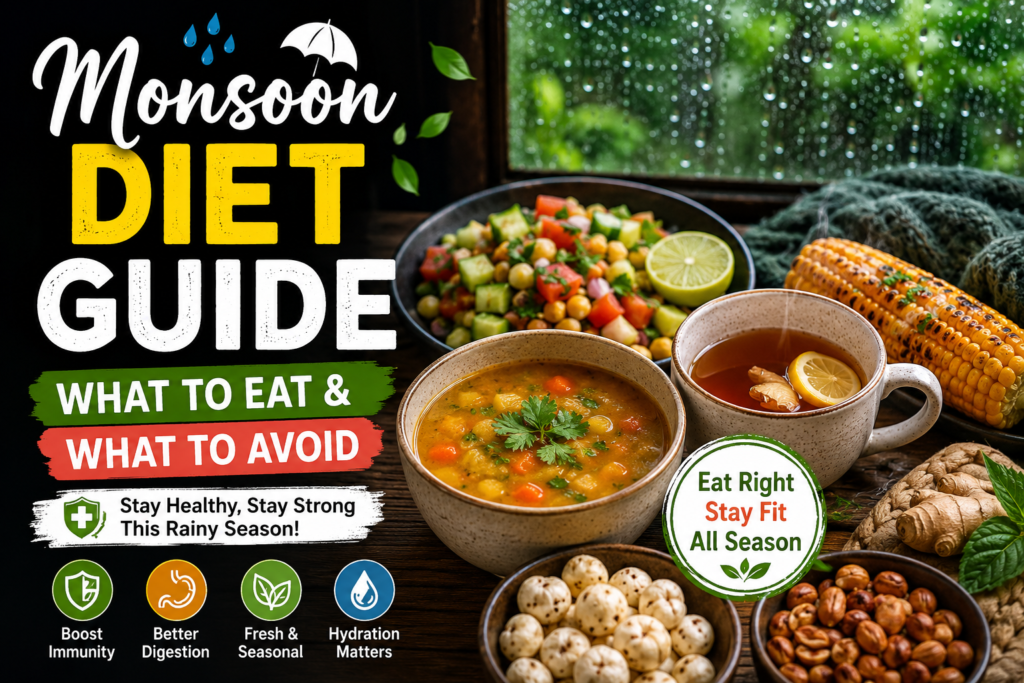
What to Eat and What to Avoid During the Rainy Season
The arrival of the monsoon brings much-needed relief from the scorching summer heat. The refreshing rain, cool breeze, and earthy aroma create a cozy atmosphere that many people look forward to every year. However, the rainy season also brings an increased risk of infections, digestive problems, waterborne diseases, and weakened immunity. During this time, harmful bacteria, fungi, and viruses thrive in the humid environment, making it essential to pay close attention to your daily diet.
A healthy monsoon diet isn’t about strict restrictions—it’s about making smart food choices that support your immune system, aid digestion, and help you stay energized throughout the season. Freshly cooked meals, seasonal vegetables, whole grains, and immunity-boosting spices can go a long way in keeping common monsoon illnesses at bay.
In this guide, you’ll discover the best foods to eat during the rainy season, foods you should avoid, practical nutrition tips, and a simple meal plan to help you enjoy the monsoon while staying healthy.
Why Your Diet Matters During the Monsoon
Humidity levels rise significantly during the rainy season, creating favorable conditions for bacteria, fungi, and other microorganisms to multiply. Food spoils more quickly, contaminated water becomes more common, and our digestive system often becomes more sensitive.
As a result, people may experience:
- Food poisoning
- Stomach infections
- Indigestion and bloating
- Seasonal flu and viral infections
- Low energy levels
- Weakened immunity
Choosing fresh, hygienic, and nutrient-rich foods can significantly reduce these risks and help your body defend itself against seasonal illnesses.
Best Foods to Eat During the Monsoon
1. Seasonal Vegetables
Fresh seasonal vegetables are packed with vitamins, minerals, antioxidants, and dietary fiber that help strengthen your immune system.
Excellent choices include:
- Bottle gourd (Lauki)
- Ridge gourd (Turai)
- Pumpkin
- Bitter gourd (Karela)
- Ash gourd
- Tinda
These vegetables are easy to digest and help maintain hydration while providing essential nutrients.
Always wash vegetables thoroughly before cooking to remove dirt and contaminants.
2. Whole Grains
Whole grains provide steady energy and improve digestion during the rainy season.
Healthy options include:
- Brown rice
- Whole wheat
- Oats
- Millets such as jowar, bajra, and ragi
- Quinoa
Unlike refined grains, whole grains contain more fiber, vitamins, and minerals that support gut health and overall wellness.
3. Protein-Rich Foods
Protein is essential for repairing body tissues and maintaining a strong immune system.
Healthy vegetarian protein sources include:
- Moong dal
- Masoor dal
- Chickpeas
- Kidney beans
- Black-eyed peas
- Paneer
- Tofu
- Soy chunks
Choose freshly prepared protein-rich meals rather than processed alternatives.
4. Vitamin C-Rich Fruits
Vitamin C helps strengthen immunity and supports faster recovery from seasonal infections.
Good options include:
- Amla (Indian gooseberry)
- Guava
- Lemon
- Sweet lime
- Oranges (when in season)
Wash fruits thoroughly before consuming them. Avoid pre-cut fruits sold by street vendors, as they may be exposed to contamination.
5. Warm Homemade Soups
Warm soups are comforting, hydrating, and easy on the digestive system.
Nutritious options include:
- Tomato soup
- Vegetable soup
- Pumpkin soup
- Lentil soup
- Carrot soup
- Sweet corn soup
Adding herbs and spices like ginger, garlic, black pepper, and turmeric enhances both flavor and nutritional value.
6. Immunity-Boosting Spices
Indian kitchens are filled with spices known for their health benefits.
Include these regularly:
- Turmeric
- Ginger
- Garlic
- Black pepper
- Cinnamon
- Cloves
- Cumin
- Coriander
These spices possess natural antioxidant and anti-inflammatory properties that may help support the body’s natural defenses.
7. Fermented Foods in Moderation
Fresh homemade fermented foods such as yogurt or buttermilk can support gut health for many people. However, during periods of heavy humidity or if you have digestive issues, consume them in moderation and ensure they are fresh.
If you’re unsure how your body responds, consult a healthcare professional for personalized advice.
8. Healthy Snacks
Rainy weather often increases cravings for crispy snacks.
Instead of deep-fried foods, try healthier alternatives:
- Roasted makhana
- Roasted peanuts
- Roasted chana
- Baked vegetable cutlets
- Baked corn chaat
- Whole wheat vegetable sandwiches
- Homemade dhokla
- Moong chilla
These snacks provide nutrition without excessive oil.
Foods to Avoid During the Rainy Season
Certain foods can increase the risk of infections or digestive discomfort during monsoon.
1. Street Food
Street food is often exposed to dust, rainwater, and improper storage conditions.
Popular items like:
- Pani puri
- Chaat
- Samosa
- Pakoras
- Noodles
may carry a higher risk of contamination if hygiene standards are poor.
2. Leafy Vegetables
Leafy greens can trap mud, insects, and microorganisms during the rainy season.
If you consume spinach, fenugreek, coriander, or lettuce, wash them thoroughly several times before cooking.
3. Cut Fruits
Avoid buying pre-cut fruits from roadside vendors.
Freshly cut fruits spoil quickly and can become contaminated when left uncovered.
Instead, wash whole fruits at home and cut them just before eating.
4. Deep-Fried Foods
Although rainy weather often makes fried snacks tempting, excessive consumption can cause:
- Indigestion
- Acidity
- Bloating
- Weight gain
Enjoy fried foods occasionally rather than making them a daily habit.
5. Stale Leftovers
Cooked food spoils faster during humid weather.
Eat freshly prepared meals whenever possible.
If storing leftovers, refrigerate them promptly and reheat thoroughly before eating.
6. Sugary Foods and Soft Drinks
Too much sugar offers little nutritional value and may contribute to energy crashes.
Choose healthier beverages such as:
- Lemon water
- Coconut water
- Herbal tea
- Warm turmeric milk
instead of sugary soft drinks.
Importance of Hydration During Monsoon
Many people drink less water during the rainy season because they don’t feel as thirsty.
However, proper hydration remains essential.
Aim to:
- Drink sufficient clean water throughout the day.
- Use filtered or boiled water whenever possible.
- Include soups and herbal beverages as part of your fluid intake.
- Limit sugary drinks and excessive caffeine.
A Healthy Monsoon Meal Plan
Breakfast
- Vegetable poha
- Oats upma
- Moong chilla
- Ginger tea
Mid-Morning Snack
- Roasted makhana
- Fresh guava
- Handful of roasted peanuts
Lunch
- Brown rice or whole wheat roti
- Dal
- Seasonal vegetable curry
- Fresh homemade salad (well washed)
Evening Snack
- Roasted corn
- Baked vegetable cutlets
- Herbal tea
Dinner
- Vegetable soup
- Whole wheat chapati
- Paneer or tofu curry
- Steamed vegetables
Lifestyle Tips for Staying Healthy During Monsoon
Your overall lifestyle is just as important as your diet.
Follow these healthy habits:
- Wash hands before every meal.
- Eat freshly cooked food whenever possible.
- Avoid drinking untreated water.
- Wash fruits and vegetables thoroughly.
- Exercise regularly, even indoors.
- Sleep for 7–8 hours each night.
- Keep your kitchen clean and dry.
- Store food properly to prevent spoilage.
Frequently Asked Questions
Which fruits are best during the monsoon?
Fresh fruits such as guava, amla, lemons, sweet lime, and seasonal citrus fruits are excellent choices because they are rich in vitamin C and antioxidants.
Can I eat yogurt during the rainy season?
Fresh homemade yogurt can be enjoyed in moderation if it suits your digestion. Avoid consuming spoiled or improperly stored dairy products.
Is it okay to eat fried snacks occasionally?
Yes. Occasional treats are perfectly fine, but they should not replace nutritious meals. Consider healthier baked or air-fried alternatives whenever possible.
How can I naturally boost my immunity during monsoon?
Focus on a balanced diet rich in vegetables, whole grains, protein, vitamin C-rich fruits, and spices like turmeric, ginger, and garlic. Stay hydrated, exercise regularly, and get enough sleep.
Why do digestive problems increase during monsoon?
Higher humidity promotes bacterial growth, while contaminated food and water become more common. Eating fresh, hygienic meals and practicing good food safety can reduce the risk.
The rainy season is one of the most enjoyable times of the year, but it also requires extra care when it comes to food choices. A balanced monsoon diet filled with fresh vegetables, whole grains, protein-rich foods, warm soups, and immunity-supporting spices can help protect your health while allowing you to enjoy the season to its fullest.
Small habits—such as drinking clean water, eating freshly cooked meals, avoiding unhygienic street food, and limiting deep-fried snacks—can make a significant difference in preventing seasonal illnesses. Instead of focusing on restrictions, think of the monsoon as an opportunity to nourish your body with wholesome, comforting foods that promote long-term wellness.
By following these simple dietary and lifestyle tips, you can embrace the beauty of the rainy season with confidence, knowing you’re supporting your health one meal at a time.