The Heart of Gujarat’s Food Culture
Gujarati Snacks: The Heart of Gujarat’s Food Culture
Gujarati snacks are more than just food — they are an emotion for every Gujarati family. From early morning breakfast to evening tea-time, snacks play an important role in daily life across Gujarat. The unique mix of sweet, spicy, tangy, and crunchy flavors makes Gujarati snacks famous all over India. Whether you walk through the busy streets of Ahmedabad or enjoy homemade food in Surat, you will always find delicious traditional snacks everywhere.
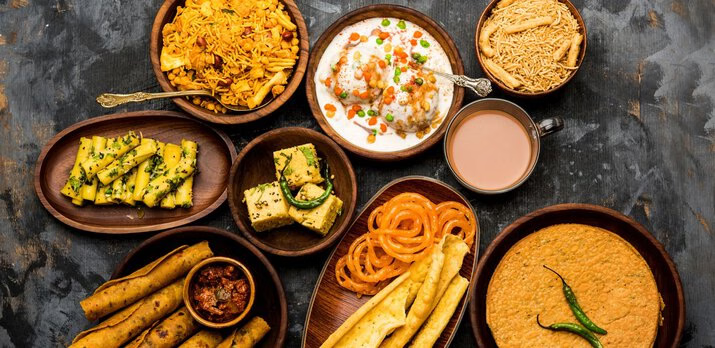
One reason Gujarati snacks became so popular is their variety. Gujarati cuisine includes steamed snacks like dhokla and khandvi, crunchy farsan like gathiya and sev, and filling dishes like handvo and thepla. This huge variety means there is something for every mood and every age group. Even people outside Gujarat now prefer these snacks because they feel lighter and healthier compared to oily fast food.
The Story Behind Gujarat’s Famous Farsan
In Gujarat, snacks are commonly called “Farsan.” These farsan dishes have been part of Gujarati culture for generations. Families often prepare them during festivals, weddings, and special occasions. Many Gujarati households still follow traditional recipes passed down from grandparents.
What makes Gujarati farsan special is the combination of textures and flavors. A single plate may include sweetness from chutney, crunch from sev, softness from khaman, and spice from fried chilies. This balanced taste is one of the biggest reasons Gujarati snacks stand out from snacks of other states.
Popular farsan dishes include:
- Khaman Dhokla
- Fafda
- Khandvi
- Patra
- Sev Khamani
- Locho
- Gathiya
- Khakhra
These snacks are now available in almost every Indian city because of their growing popularity.
Khaman Dhokla – Gujarat’s Soft & Fluffy Favorite
Khaman Dhokla is one of the most loved Gujarati snacks because of its soft texture and light taste. It is healthy, steamed, and perfect for breakfast or evening snacks. Many people across India now enjoy dhokla with tea because it feels light yet filling.
The best thing about Khaman is its balanced flavor. The sweetness from sugar water, slight tanginess from lemon, and spicy green chilies together create an unforgettable taste. Gujarati households often prepare it during family gatherings and festivals.
Quick Recipe
Mix besan, curd, turmeric, salt, and water into a smooth batter. Add ENO before steaming. Steam for 15 minutes and pour mustard seed tempering on top before serving.
Fafda & Jalebi – The Most Iconic Gujarati Combo
Fafda and Jalebi are considered the ultimate Gujarati weekend breakfast. The crispy salty fafda paired with hot sweet jalebi creates the perfect combination of flavors. During festivals like Dussehra, sweet shops across Gujarat become crowded with people buying this famous combo early in the morning.
This snack perfectly represents Gujarati taste preferences — sweet and salty together. Many tourists visiting Gujarat specifically try fafda-jalebi because it has become part of Gujarat’s food identity.
Quick Recipe
Prepare besan dough with ajwain and salt, roll into strips, and deep fry until crispy. Serve with hot jalebi and spicy papaya sambharo.
Patra – A Unique Traditional Gujarati Snack
Patra is one of the most unique snacks in Gujarati cuisine. It is made using colocasia leaves coated with spicy gram flour paste, then rolled, steamed, and sliced. Its beautiful spiral design makes it look attractive and traditional at the same time.
Patra has a special sweet, spicy, and tangy flavor that makes it different from ordinary snacks. It is commonly served during special occasions and family functions.
Quick Recipe
Spread spicy besan mixture on colocasia leaves, roll tightly, and steam well. Slice into pieces and lightly fry with sesame seeds for extra flavor.
Thepla – Every Gujarati Traveler’s Best Friend
Thepla is not just food — it is a travel companion for Gujaratis. Because it stays fresh for a long time, families often carry it during train journeys and road trips. Methi thepla is the most popular version and is loved for its soft texture and spicy flavor.
Today, thepla has become popular outside Gujarat too because people enjoy healthy and homemade-style food. It tastes amazing with pickle, curd, or tea.
Quick Recipe
Mix wheat flour with methi leaves, yogurt, and spices. Make soft dough, roll thin circles, and cook on a hot tawa using little oil.
Sev Khamani – Surat’s Famous Street Food
Sev Khamani is one of the most popular snacks from Surat. It is colorful, spicy, and full of flavors. Made using crumbled khaman topped with sev, onions, coriander, and pomegranate, it is loved by street food fans.
This dish is especially famous because of its soft texture mixed with crunchy toppings. The tangy lemon juice and spicy masala make it extremely addictive.
Quick Recipe
Crumble khaman and lightly cook it with spices. Top with sev, onions, coriander, lemon juice, and pomegranate before serving.
Khakhra – Gujarat’s Crispy Tea-Time Snack
Khakhra is one of the healthiest Gujarati snacks and is now popular across India as a light tea-time option. Unlike fried snacks, khakhra is roasted until crispy, making it a favorite among health-conscious people.
Today, many flavors like masala, jeera, pizza, and methi khakhra are available in markets. Gujaratis often enjoy khakhra during breakfast with pickle or chai.
Quick Recipe
Prepare stiff wheat flour dough with spices, roll very thin, and roast slowly on a tawa until completely crisp.
Handvo – The Healthy Gujarati Cake
Handvo is a healthy savory cake made from rice, lentils, and vegetables. It is crispy outside and soft inside, making it both delicious and nutritious. Many Gujarati families prepare handvo as a filling evening snack or light dinner.
The addition of bottle gourd and sesame tempering gives handvo its signature flavor. It is considered one of the healthiest traditional Gujarati foods.
Quick Recipe
Soak rice and lentils overnight, grind into batter, and ferment. Add grated bottle gourd and cook slowly until golden and crispy.
Surat: The City That Changed Gujarati Street Food
Surat is known as one of the food capitals of Gujarat. Many famous Gujarati snacks like Locho and Sev Khamani became popular from Surat’s busy food streets. The city is famous for creating snacks that are simple but full of flavor.
Locho, for example, became famous accidentally when a dhokla batter did not set properly. Instead of wasting it, the dish was served in its soft form with butter, sev, and spices — and people loved it instantly. Today, Surti Locho is one of Gujarat’s most iconic street foods.
Surat is also known for its tea-time snack culture. In the evening, local shops become crowded with people enjoying hot gathiya, bhajiya, and spicy snacks with masala chai.
Why Gujarati Snacks Feel Comforting
Unlike many fast foods, Gujarati snacks often feel homemade and comforting. Most dishes use simple ingredients like gram flour, lentils, rice, curd, wheat flour, and spices. Even when bought from shops, they still carry the warmth of homemade food.
Another reason behind their popularity is that many Gujarati snacks are vegetarian and easy to digest. Steamed dishes like dhokla, handvo, and muthiya are considered healthier compared to deep-fried snacks. Modern food lovers now prefer these lighter traditional foods as healthy snacking becomes more popular.
Gujarati snacks also connect people emotionally. Many Gujaratis living outside India carry thepla, khakhra, or chevdo while traveling because these foods remind them of home and family traditions.
Gujarati Snacks Are Becoming Global
Today, Gujarati snacks are no longer limited to Gujarat or India. Restaurants and snack brands are introducing dishes like dhokla, khakhra, and fafda to international audiences. Gujarati snacks are becoming popular because they combine traditional taste with modern convenience.
Social media and food bloggers have also helped Gujarati street food become trendy among younger generations. Viral videos of cheese locho, chocolate khakhra, and fusion fafda dishes are attracting food lovers from around the world.
Gujarati snacks are not just food anymore — they have become a symbol of culture, comfort, and creativity.