Mumbai’s Legendary Street Food That Won India’s Heart
Authentic Pav Bhaji: Mumbai’s Legendary Street Food That Won India’s Heart
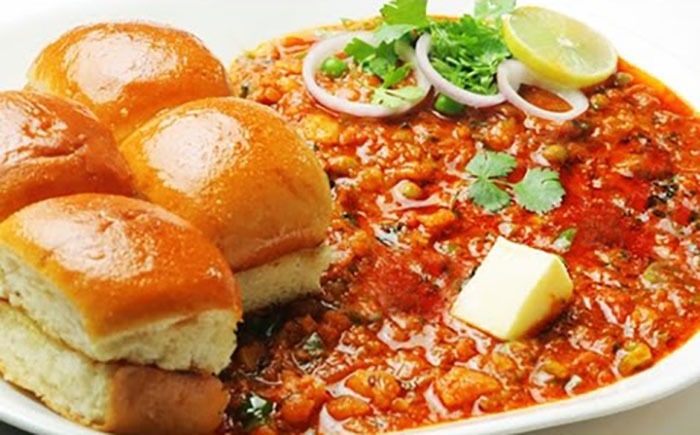
Pav Bhaji is far more than a popular street food—it’s a symbol of Mumbai’s vibrant culture, resilience, and love for bold flavors. Every sizzling tava, every cube of melting butter, and every toasted pav tells a story that dates back more than a century. Originally created as a quick meal for hardworking textile mill laborers in Mumbai during the 19th century, Pav Bhaji has evolved into one of India’s most celebrated comfort foods. Food historians widely trace its roots to Bombay’s textile mills, where vendors prepared a filling mash of vegetables served with buttered bread rolls to feed workers quickly and affordably.
The Fascinating History of Authentic Pav Bhaji
The story of Pav Bhaji begins in the bustling textile mills of old Bombay (now Mumbai). During the cotton boom of the 1850s and 1860s, mill workers needed meals that were inexpensive, nutritious, and fast to prepare. Street vendors cleverly mashed leftover vegetables with aromatic spices and served them alongside butter-toasted Portuguese-inspired bread rolls known as pav. Over time, this humble meal became a citywide favorite before spreading across India and eventually around the world.
Today, Pav Bhaji represents Mumbai’s spirit—simple ingredients transformed into something extraordinary.
What Makes Pav Bhaji Truly Authentic?
Authenticity isn’t about adding more ingredients; it’s about balancing flavors and cooking techniques.
Traditional Mumbai Pav Bhaji includes:
- Potatoes
- Cauliflower
- Green peas
- Tomatoes
- Capsicum
- Onions
- Garlic
- Ginger
- Butter
- Kashmiri red chili
- Turmeric
- Pav Bhaji Masala
- Fresh coriander
- Lemon
The vegetables are slowly cooked and mashed together on a large iron tava, allowing the spices and butter to blend into a thick, rich, and flavorful curry.
The Secret Behind Mumbai Street-Style Flavor
What makes Mumbai’s Pav Bhaji unforgettable?
1. Large Iron Tava
Street vendors prepare the bhaji on an enormous cast-iron griddle. Continuous cooking enhances caramelization and creates a deep, smoky flavor.
2. Generous Butter
Authentic Pav Bhaji isn’t shy with butter. It enriches the gravy and gives it the signature glossy finish.
3. Freshly Prepared Masala
Many vendors use their own spice blend rather than relying solely on packaged pav bhaji masala.
4. Perfect Vegetable Ratio
Potatoes provide creaminess, tomatoes add tanginess, peas contribute sweetness, and capsicum delivers a subtle freshness.
Why Butter Is the Soul of Pav Bhaji
Butter is not merely a topping—it is an essential ingredient.
It:
- Enhances aroma
- Softens spice intensity
- Creates silky texture
- Helps spices release essential oils
- Gives restaurant-quality richness
This is why authentic Pav Bhaji is always served with an extra dollop of butter melting on top.
How the Perfect Pav Is Prepared
The bread deserves equal attention.
Traditional pav is:
- Split horizontally
- Toasted on a butter-coated tava
- Sprinkled with Pav Bhaji masala
- Crisp outside
- Soft inside
The buttery aroma complements the spicy vegetable curry perfectly.
Essential Garnishes
No authentic serving is complete without:
- Finely chopped onions
- Fresh coriander leaves
- Lemon wedges
- Extra butter
- Green chilies (optional)
These additions brighten the rich flavors and provide contrasting textures.
Authentic Pav Bhaji Ingredients
For the Bhaji:
- Potatoes
- Cauliflower
- Green peas
- Capsicum
- Tomatoes
- Onion
- Garlic
- Ginger
- Butter
- Oil
- Kashmiri chili powder
- Turmeric
- Pav Bhaji Masala
- Salt
- Fresh coriander
For Serving:
- Fresh pav
- Butter
- Lemon
- Onion
- Coriander
Step-by-Step Cooking Method
Step 1
Boil potatoes, cauliflower, and peas until tender.
Step 2
Heat butter with a little oil.
Step 3
Saute onions until golden.
Step 4
Add ginger and garlic.
Step 5
Cook tomatoes until soft.
Step 6
Mix in capsicum and cook briefly.
Step 7
Add all spices and stir well.
Step 8
Add boiled vegetables.
Step 9
Mash thoroughly while cooking.
Step 10
Simmer for 15–20 minutes until thick and smooth.
Step 11
Toast pav generously in butter.
Step 12
Serve hot with butter, onions, coriander, and lemon.
Popular Variations
Although the classic recipe remains iconic, modern versions include:
- Cheese Pav Bhaji
- Paneer Pav Bhaji
- Jain Pav Bhaji
- Khada Pav Bhaji
- Tawa Pulav with Bhaji
- Mushroom Pav Bhaji
- Kolhapuri Pav Bhaji
- Green Pav Bhaji
- Black Pav Bhaji
Tips for Restaurant-Style Pav Bhaji
- Use ripe tomatoes for natural sweetness.
- Don’t skip capsicum.
- Cook on low heat after mashing.
- Add butter gradually.
- Mash vegetables completely.
- Toast pav immediately before serving.
- Finish with fresh lemon juice.
Nutritional Value
A traditional serving typically provides:
- Carbohydrates from vegetables and pav
- Dietary fiber
- Vitamin C
- Vitamin A
- Potassium
- Healthy fats from butter
- Plant-based nutrients from mixed vegetables
Using less butter and whole wheat pav can make the dish lighter while preserving its character.
Why Pav Bhaji Is Loved Worldwide
From roadside carts in Mumbai to Indian restaurants across the globe, Pav Bhaji has become an international favorite because it is:
- Rich and comforting
- Affordable
- Vegetarian
- Easy to customize
- Packed with vegetables
- Perfect for family meals or parties
Its combination of buttery bread and spicy mashed vegetables makes it a universally appealing comfort food.
Authentic Pav Bhaji is more than a recipe—it’s a celebration of Mumbai’s culinary heritage. Born from necessity and perfected by generations of street vendors, this iconic dish continues to delight food lovers with its rich buttery aroma, bold spices, and unforgettable taste. Whether enjoyed at a bustling roadside stall or prepared in your own kitchen, a plate of authentic Pav Bhaji captures the essence of Indian street food: simple ingredients, vibrant flavors, and a story worth savoring.