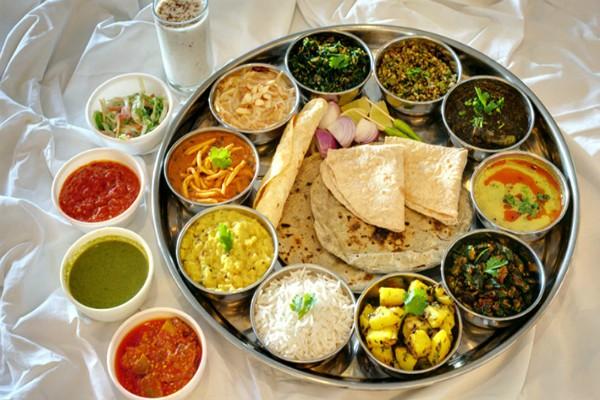
A Journey Through India’s Rich Culinary Heritage
Indian Food Culture: A Journey Through India’s Rich Culinary Heritage
India is a land of incredible diversity, and nowhere is this diversity more evident than in its food culture. From the snow-capped mountains of the north to the tropical coastlines of the south, every region of India offers unique flavors, cooking techniques, ingredients, and traditions that have evolved over thousands of years. Indian cuisine is not merely about food; it is a reflection of history, geography, religion, festivals, and family traditions.
The Essence of Indian Food Culture
Indian food culture is deeply rooted in the concept of hospitality and community. Food plays a central role in daily life, religious ceremonies, celebrations, and family gatherings. Traditional Indian meals are designed to balance flavors, textures, and nutrition, often incorporating grains, vegetables, legumes, spices, dairy products, and seasonal ingredients.
The philosophy of Indian cooking emphasizes harmony between taste and health. Ancient practices such as Ayurveda have influenced food preparation for centuries, encouraging the use of ingredients that promote overall well-being.
The Role of Spices in Indian Cuisine
Spices are the heart and soul of Indian cooking. Rather than simply adding heat, Indian spices create layers of flavor and aroma. Common spices include:
- Turmeric
- Cumin
- Coriander
- Cardamom
- Cinnamon
- Cloves
- Mustard Seeds
- Fenugreek
- Black Pepper
- Red Chili
Each region uses spices differently, creating distinct culinary identities across the country.
North Indian Cuisine
North Indian cuisine is known for its rich gravies, dairy products, and wheat-based breads. The region’s fertile plains produce abundant wheat, making roti, naan, paratha, and kulcha staple foods.
Popular North Indian dishes include:
- Butter Chicken
- Chole Bhature
- Rajma Chawal
- Dal Makhani
- Kashmiri Dum Aloo
- Paneer Tikka
The influence of Mughal cuisine can be seen in dishes featuring nuts, cream, saffron, and aromatic spices.
South Indian Cuisine
South Indian food is famous for its rice-based dishes, coconut flavors, and fermented foods. The tropical climate supports the cultivation of rice, coconut, curry leaves, and spices.
Popular South Indian dishes include:
- Dosa
- Idli
- Sambar
- Uttapam
- Rasam
- Hyderabadi Biryani
South Indian meals are often served on banana leaves, reflecting centuries-old traditions.
East Indian Cuisine
Eastern India offers a fascinating blend of sweet and savory flavors. Rice and fish dominate the cuisine of many eastern states due to the region’s rivers and coastal access.
Popular dishes include:
- Bengali Fish Curry
- Macher Jhol
- Litti Chokha
- Pakhala Bhata
- Chhena Poda
The region is particularly famous for its desserts such as Rasgulla, Sandesh, and Mishti Doi.
West Indian Cuisine
Western India showcases remarkable culinary diversity. The food ranges from the sweet and savory combinations of Gujarat to the spicy coastal dishes of Maharashtra and Goa.
Popular dishes include:
- Dhokla
- Thepla
- Pav Bhaji
- Vada Pav
- Goan Fish Curry
- Puran Poli
The use of jaggery, peanuts, coconut, and seafood is common throughout the region.
Traditional Indian Street Food
Indian street food represents the country’s vibrant food culture. Affordable, flavorful, and widely loved, street food varies greatly from one city to another.
Popular street foods include:
- Pani Puri
- Bhel Puri
- Samosa
- Kachori
- Chaat
- Dabeli
- Vada Pav
These foods have become an essential part of India’s culinary identity.
Festivals and Food Traditions
Indian festivals are closely connected to food traditions. Special dishes are prepared to celebrate religious and cultural occasions.
Examples include:
- Modak during Ganesh Chaturthi
- Gujiya during Holi
- Seviyan during Eid
- Pongal during Pongal Festival
- Puran Poli during Gudi Padwa
- Kheer during various religious celebrations
These festive foods strengthen family bonds and preserve cultural heritage.
The Importance of Regional Ingredients
Indian cuisine thrives on local ingredients. Seasonal vegetables, fresh herbs, grains, fruits, and spices influence regional food traditions. Coastal areas rely heavily on seafood, while mountainous regions often feature grains and dairy products suited to colder climates.
This regional approach has created one of the world’s most diverse culinary landscapes.
Indian Food and Ayurveda
Ayurveda, India’s ancient system of wellness, has influenced dietary habits for centuries. Ayurvedic principles encourage balanced meals that nourish the body and mind. Ingredients such as turmeric, ginger, tulsi, and ghee are valued for their health benefits and continue to be used in traditional cooking.
Global Popularity of Indian Cuisine
Today, Indian food is enjoyed across the globe. Dishes such as Butter Chicken, Biryani, Tandoori Chicken, Samosa, and Naan have become internationally recognized. Indian restaurants can be found in nearly every major city worldwide, introducing people to the country’s rich culinary traditions.
Indian food culture is a celebration of diversity, history, and tradition. Every state, city, and community contributes unique flavors and recipes that make Indian cuisine one of the most admired culinary traditions in the world. From royal feasts and festive sweets to simple home-cooked meals and bustling street food, Indian food tells the story of a nation united by its love for flavor, hospitality, and shared dining experiences.
Exploring Indian cuisine is not just a culinary journey—it is an opportunity to discover the culture, heritage, and traditions that have shaped India for generations.