South Indian Cuisine: A Journey Through Tradition, Flavor, and Heritage
India’s culinary landscape is incredibly diverse, but few regional cuisines have achieved the universal popularity and admiration enjoyed by South Indian food. Rooted in centuries of tradition and shaped by geography, climate, culture, and local ingredients, South Indian cuisine is a remarkable blend of flavor, nutrition, and heritage.
Spanning the states of Tamil Nadu, Kerala, Karnataka, Andhra Pradesh, and Telangana, South Indian cuisine offers much more than the globally recognized dosa and idli. It is a vibrant culinary tradition that celebrates simplicity, freshness, and balance while preserving recipes that have been passed down through generations.
Today, South Indian food is enjoyed not only across India but also in restaurants and homes around the world. Its growing popularity reflects an increasing appreciation for wholesome ingredients, authentic flavors, and time-tested cooking techniques.
A Cuisine Shaped by Nature and Tradition
One of the defining features of South Indian cuisine is its deep connection to the region’s natural resources. Rice is the staple grain throughout much of South India, supported by fertile agricultural lands and abundant rainfall. Coconut, lentils, tamarind, curry leaves, black pepper, mustard seeds, and fresh vegetables play essential roles in everyday cooking.
The cuisine is heavily influenced by local geography. Coastal regions rely on coconut and seafood, while inland areas showcase lentils, millet, rice, and seasonal vegetables. This diversity has given rise to countless regional specialties, each with its own distinctive character.
Traditional South Indian cooking also emphasizes methods that enhance both flavor and nutrition. Fermentation, steaming, roasting, and slow cooking are widely used, helping preserve nutrients while creating unique textures and tastes.
The Cultural Importance of Food in South India
In South India, food is more than nourishment—it is a reflection of culture, family values, and hospitality. Meals often bring families together, and many traditional recipes are closely associated with festivals, religious ceremonies, and celebrations.
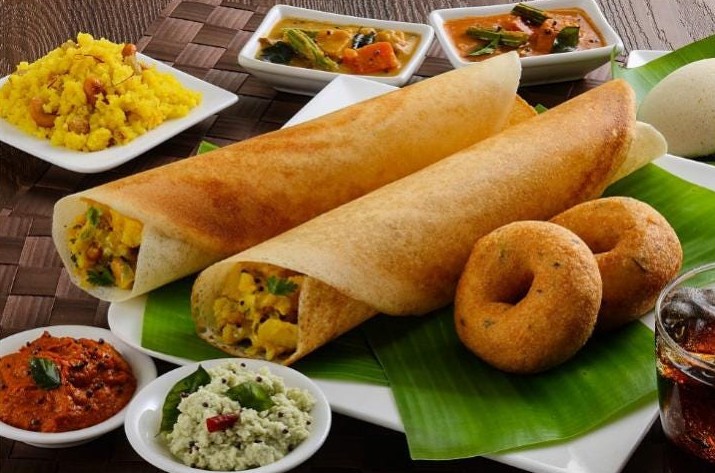
Serving food on banana leaves remains a cherished custom in many communities. This tradition is not only environmentally friendly but also deeply symbolic, representing purity, respect, and gratitude. During weddings and festivals, elaborate meals are carefully prepared and served in a specific order, reflecting centuries of cultural practice.
Many households continue to preserve family recipes that have been handed down through generations. These recipes connect modern families to their heritage and help maintain regional culinary identities.
Dosa: South India’s Most Famous Culinary Ambassador
No discussion of South Indian cuisine is complete without mentioning the iconic dosa. Thin, crisp, and golden, dosa has become one of India’s most recognizable foods worldwide.
Prepared from a fermented batter of rice and lentils, dosa combines simplicity with extraordinary flavor. The fermentation process not only creates its distinctive taste but also improves digestibility and nutritional value.
Over time, numerous variations have emerged, including Masala Dosa, Mysore Dosa, Rava Dosa, and Paper Dosa. Despite these innovations, the traditional dosa remains a beloved staple enjoyed by millions every day.
Served with coconut chutney, tomato chutney, and sambar, dosa represents the perfect balance of texture, flavor, and nutrition.
Traditional Dosa Recipe
Ingredients:
- 3 cups rice
- 1 cup urad dal
- Salt to taste
Method:
- Soak rice and urad dal separately for 6–8 hours.
- Grind into a smooth batter.
- Allow the batter to ferment overnight.
- Spread thinly on a hot griddle.
- Cook until crisp and golden.
- Serve hot with chutney and sambar.
Idli: The Healthy Breakfast Classic
Often described as one of the healthiest breakfasts in the world, idli is a shining example of South Indian culinary wisdom.
Made from the same fermented rice and lentil batter used for dosa, idli is steamed rather than fried, resulting in a light and fluffy texture. Rich in protein and easy to digest, it is suitable for people of all ages.
Its simplicity is part of its appeal. Whether served with sambar, coconut chutney, or spicy podi, idli offers a wholesome and satisfying meal that remains a daily favorite across South India.
Traditional Idli Recipe
Ingredients:
- 2 cups rice
- 1 cup urad dal
- Salt
Method:
- Soak rice and urad dal separately.
- Grind and combine into a smooth batter.
- Ferment overnight.
- Pour into idli molds.
- Steam for 10–12 minutes.
- Serve warm with chutney and sambar.
Sambar: The Soul of South Indian Cuisine
Sambar is often considered the heart of South Indian meals. This flavorful lentil stew combines vegetables, tamarind, and aromatic spices to create a dish that is both nourishing and comforting.
Each region has its own variation, using different vegetables and spice blends. Whether paired with rice, dosa, idli, or vada, sambar adds depth and richness to every meal.
Its popularity stems from its versatility. It can be adapted to seasonal ingredients while maintaining its signature balance of tangy, spicy, and savory flavors.
Traditional Sambar Recipe
Ingredients:
- 1 cup toor dal
- Mixed vegetables
- Tamarind pulp
- Sambar powder
- Curry leaves
- Mustard seeds
Method:
- Cook the dal until soft.
- Add chopped vegetables and tamarind extract.
- Stir in sambar powder.
- Simmer until vegetables are tender.
- Temper with mustard seeds and curry leaves.
- Serve hot.
Kerala’s Coconut-Rich Culinary Heritage
Kerala’s cuisine is famous for its extensive use of coconut in various forms, including grated coconut, coconut milk, and coconut oil.
Traditional dishes such as Appam, Puttu, Avial, and Vegetable Stew showcase the state’s rich culinary traditions. The famous Kerala Sadya, a grand vegetarian feast served on banana leaves, represents one of India’s most impressive dining experiences.
A typical Sadya includes a variety of curries, pickles, rice dishes, desserts, and side dishes that demonstrate the remarkable diversity of Kerala cuisine.
Karnataka’s Rich Variety of Traditional Foods
Karnataka offers a fascinating mix of culinary traditions. Popular dishes such as Bisi Bele Bath, Ragi Mudde, Neer Dosa, and Mysore Pak have become symbols of the state’s food culture.
The cuisine ranges from simple home-cooked meals to elaborate festive preparations. Local ingredients and regional cooking methods contribute to a unique culinary identity that continues to evolve while respecting tradition.
Andhra Pradesh and Telangana: Masters of Spice
Andhra Pradesh and Telangana are renowned for their bold and spicy flavors. These states produce some of India’s most flavorful dishes, characterized by the generous use of chilies, tamarind, and aromatic spices.
Specialties such as Pulihora, Gongura Pachadi, Pesarattu, and traditional curries highlight the region’s love for intense and memorable flavors. Despite their heat, these dishes maintain a balance that keeps them enjoyable and satisfying.
Why South Indian Cuisine Is Loved Worldwide
The global appeal of South Indian cuisine lies in its ability to combine flavor, nutrition, and authenticity. Many dishes are naturally vegetarian, protein-rich, and prepared using healthy cooking techniques.
Fermented foods support digestive health, lentils provide essential protein, and fresh vegetables contribute important vitamins and minerals. This nutritional balance aligns perfectly with modern dietary preferences.
At the same time, South Indian cuisine offers extraordinary variety. From crispy dosas and soft idlis to hearty rice dishes and flavorful curries, there is something to suit every palate.
South Indian cuisine is a celebration of tradition, culture, and culinary excellence. Its recipes have survived generations because they combine simple ingredients with exceptional techniques and deep cultural significance.
Whether it is the comforting warmth of sambar, the crisp perfection of dosa, the softness of idli, or the rich flavors of Kerala and Andhra specialties, South Indian food continues to inspire and delight food lovers around the world.
As interest in authentic regional cuisines grows, South Indian cooking stands as a shining example of how traditional food can remain relevant, nutritious, and deeply cherished in the modern world.